Sing, Dance and Learn: The Australian Teachers Bringing Magic to ESL Classrooms

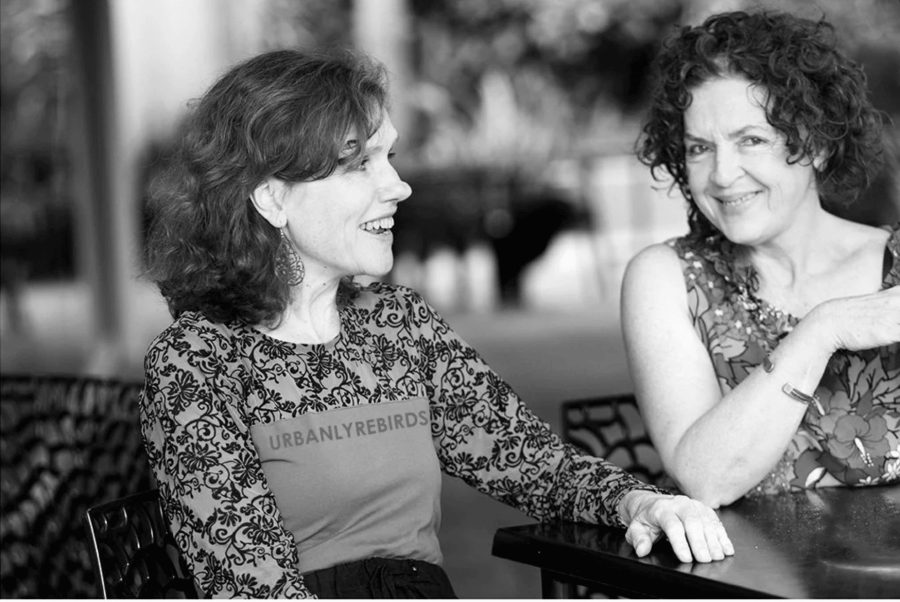
Australian educators and independent publishers Carmel Davies and Sharon Duff believe learning English should be joyful, creative and deeply human. Through music, movement, storytelling and art, the pair have spent decades helping migrants and international students gain confidence in English while also building connection and community.
Their publishing company, Urban Lyrebirds, reflects that philosophy. Specialising in resources designed for learners of “Australian” English, their books combine relatable stories, illustrations and audio to present authentic Australian life and language.
“We wanted to create resources that reflected the genuine migrant experience,” Sharon said.
Books such as The May Street series feature real-life Australian situations and characters, helping students engage not only with vocabulary and grammar, but also with everyday culture and communication.
Both women come from creative arts backgrounds — Carmel in drama and Sharon in visual arts education — and say the arts naturally became part of their teaching approach.
“Music in particular is a powerful tool that assists both students and teachers,” Carmel said.
Whether students are beginners or advanced learners, young or old, from one country or many, Carmel says music creates an immediate shared experience.
“There is joy in making melodies, using your voice and moving in rhythm together,” she said.
Carmel first noticed the educational power of music while teaching lower-level literacy classes in the early 1980s. She began introducing songs into lessons and quickly saw improvements in students’ recall of vocabulary, pronunciation and intonation.
“It seemed like a magical solution,” she said.
At around the same time, Sharon was discovering similar results in her own multicultural classrooms.
“The classes included students from many different countries, age groups and language levels,” she said. “Music brought them all together.”
Students who were initially shy or uncertain would begin by listening quietly, then gradually join in with choruses and repeated lyrics.
“I watched students leave the classroom singing,” Sharon said.
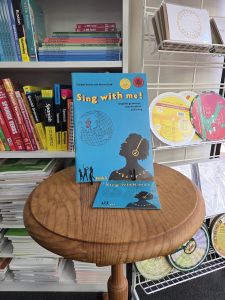
Both teachers believe music helps reduce anxiety and encourages participation — particularly for newly arrived migrants who may be experiencing isolation, stress or lack of confidence.
Carmel said relaxation techniques such as breathing, stretching, movement and games can also help students feel comfortable enough to learn.
“When students relax, they stop overthinking and their anxiety drops away,” she said.
Sharon added that singing is a natural form of communication in many cultures and can become a bridge between people.
“It’s something that can be shared across cultures in relaxed and open ways,” she said.
The pair also believe songs can support emotional wellbeing. One of their original songs, I’m Not Sleeping, explores feelings of sadness and worry, creating opportunities for discussion around mental health and adjustment.
“It gives people a chance to open up about those experiences,” Sharon said.
For Carmel and Sharon, the benefits of creative teaching extend beyond language acquisition.
They see music, storytelling and shared creative experiences as ways of building belonging and strengthening community ties.
“People across all cultures connect through music,” Carmel said. “They join together as a community.”
You can find the Urban Lyrebirds publications in The Language People’s website and physical store
Article by